

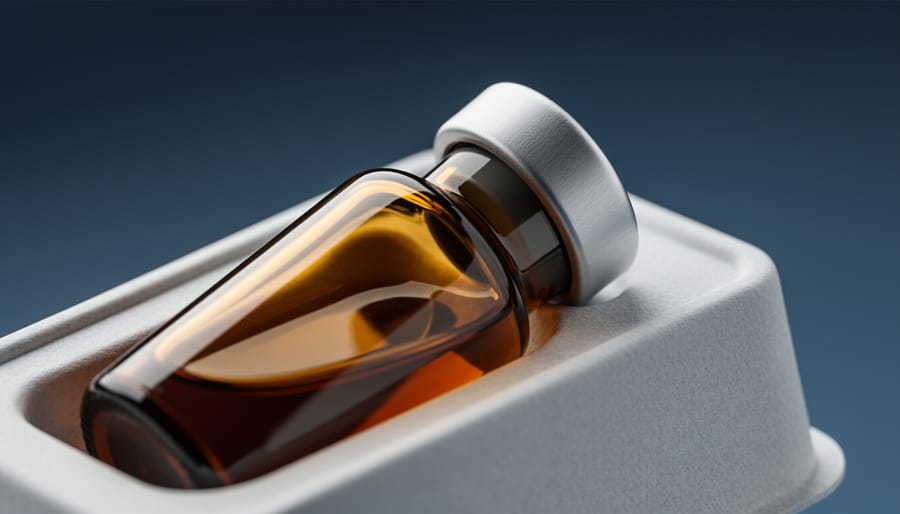
A peptide vial keeps its contents potent by doing four jobs at once: blocking moisture, blocking oxygen, blocking light, and holding a tight seal from the day it’s filled to the day it’s opened. Glass type, stopper material, the crimped cap, and the box or pouch around it all share that work, and a weakness in any one of them can quietly shorten shelf life. If you visit the store or any supplier, those details are worth a close look.
Think of it the way a ceramicist thinks about a glaze. The pot can be beautifully formed, but if the firing is off, the whole piece suffers. A peptide is the same. The formula matters, yet the humble container decides how long that formula stays true.
You can learn to read the signs. A clean, even crimp, a snug stopper, clear labeling, and protective outer packaging all tell you someone paid attention to the details.
This guide walks through what stability actually means, how each part of the packaging protects it, how to spot good work from poor, and how to store your vial once it arrives.
What Peptide Stability Really Means (and Why the Container Is Part of the Story)
The Five Everyday Threats to a Peptide
Most peptide problems come from five quiet culprits. None of them announce themselves, which is why they’re easy to underestimate. Researchers who study the five peptide degradation threats describe them as slow, cumulative forces rather than sudden disasters.
Moisture is the biggest troublemaker. Freeze-dried powder absorbs water readily, and even small amounts can start breaking the peptide’s chemical bonds. Oxygen is next, slowly altering certain amino acids through oxidation, a bit like how bare metal dulls over time. Light, especially bright or direct light, can nudge delicate molecules out of shape. Temperature swings stress the contents each time a vial warms and cools, speeding up every other kind of wear. Contamination, whether from bacteria or stray particles, can spoil a product outright.
Here’s the short version:
- Moisture can trigger breakdown of the peptide’s chemical bonds.
- Oxygen can gradually alter sensitive amino acids.
- Light can change the molecule’s structure over time.
- Temperature swings can accelerate every kind of degradation.
- Contamination can introduce microbes or particles that spoil the contents.
What makes these threats tricky is how they team up. A loose stopper lets in both air and moisture, and a warm shelf speeds up the damage that follows. That’s exactly why the vial and its packaging matter so much: they’re the barrier standing between the peptide and all five at once.
Anatomy of a Quality Vial: Glass, Stoppers, Seals, and Caps
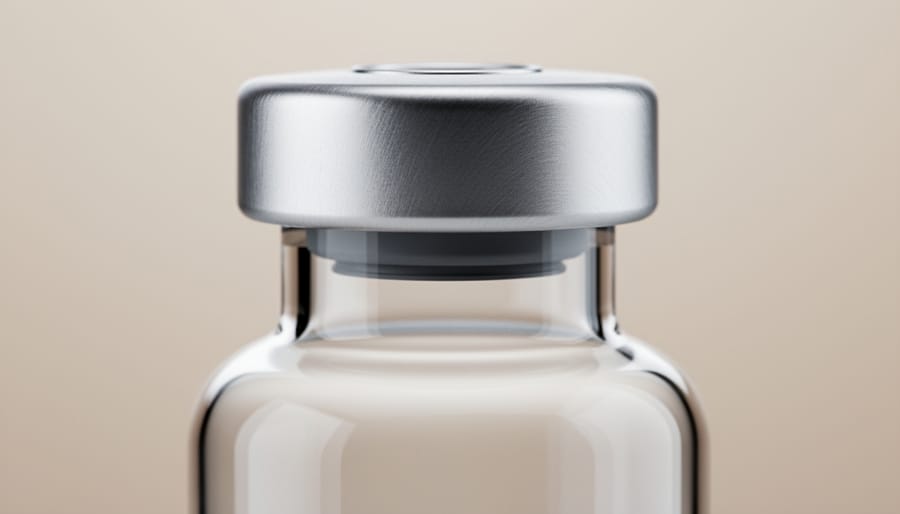
Why Glass Type and Tint Matter
Glass is the one part of a vial that touches the peptide directly, so its quality matters more than it seems. Borosilicate glass, the kind described in USP <660> Type I glass resists chemical leaching and handles sudden temperature changes without cracking. Lesser glass can shed tiny amounts of alkali into the contents over time, and just as a finish only holds when preparation matters from the very first step, a stable peptide starts with a stable container.
Tint is the second piece. Amber glass filters out much of the light that can break peptides down. Clear glass can still be fine when the vial lives in a dark fridge or box.
| Vial component | Higher-quality option | Lower-quality risk | What it protects against |
|---|---|---|---|
| Glass type | Type I borosilicate | Leaching, cracking | Chemical reaction, temperature shock |
| Glass tint | Amber | Clear, if left in light | Light-driven breakdown |
What the Packaging Around the Vial Contributes
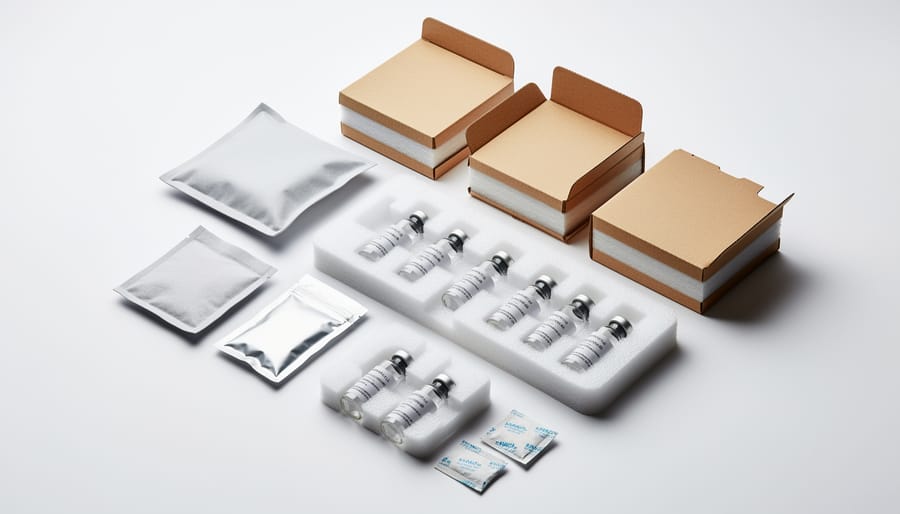
Think about how a handmade ceramic bowl or a turned wooden piece travels. The artisan doesn’t just hand it over; it gets wrapped in layers, nested in cushioning, and settled into a sturdy crate. A peptide vial deserves the same thoughtful send-off, because the glass and stopper are only part of the protection story.
A protective carton keeps the vial from being knocked, crushed, or exposed to light during handling. Inside it, foam or cushioned inserts hold the vial snugly in place so it can’t rattle against anything hard. Small shocks add up, and a hairline crack in the glass or a stopper nudged out of position can quietly break the seal.
Moisture is the other quiet troublemaker. Some suppliers tuck in a desiccant pack, a small packet that absorbs stray humidity, or seal the vial inside a barrier pouch so damp air can’t creep in. These are good signs of a careful supplier.
Then there’s the journey itself. Temperature-conscious shipping, such as insulated mailers or cool packs when a product calls for it, helps limit the heat swings that stress delicate molecules. A vial can be flawlessly made and still suffer if it spends days in a hot truck.
Protection in transit counts just as much as protection on the shelf.
How to Judge Vial and Packaging Quality Before You Buy: Who Is Responsible and What You’re Entitled to Ask
Red Flags Worth Pausing Over
A careful eye catches problems early. Start with the vial itself: a cap that wiggles, a crimp seal that’s dented or uneven, glass that’s cracked or chipped, or an interior that looks fogged or hazy. Any of these can mean the seal wasn’t tight or that moisture or contamination got in somewhere along the way.
Then look at the paperwork. A missing batch or lot number, no expiry or retest date, or storage instructions that say little more than “store properly” should give you pause. A reputable supplier makes this information easy to find, much like an artisan who’s proud to tell you exactly how a piece was made.
Take a photo of the vial and its packaging, keep the order details handy, and ask the supplier plainly what went wrong and what they’ll do about it. If the answers feel vague, trust that instinct and step away.
Storing and Handling Peptides After the Package Arrives
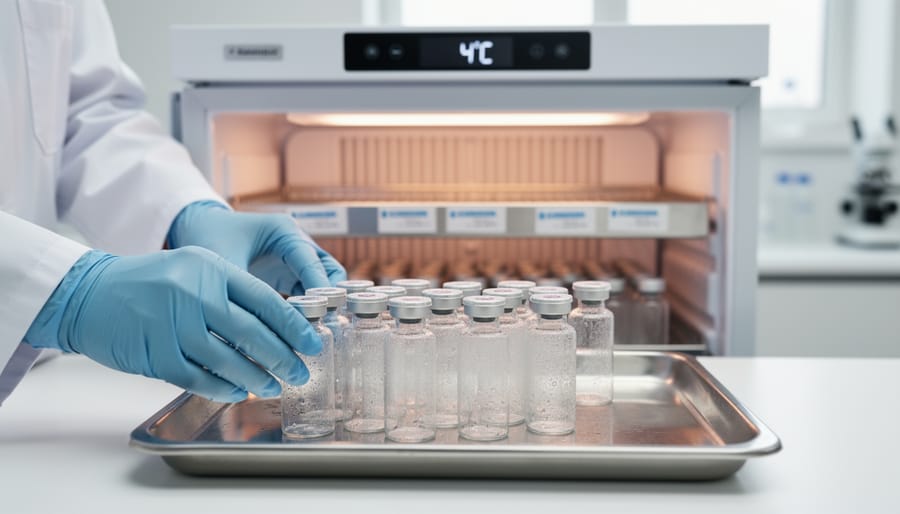
Once the package arrives, the next few minutes matter more than most people expect. Think of it like caring for a freshly finished piece: the maker did their part, and now it’s yours to look after. Here’s a calm, step-by-step way to go about it.
1. Read the label first. Always follow the label for temperature, since needs differ by peptide and the manufacturer’s instructions take priority over any general advice, including this.
2. Store it upright and dry. Keeping the vial standing keeps the contents away from the stopper, and a dry spot protects the seal and the carton.
3. Shield it from light. Even amber glass appreciates a dark drawer or box, and clear glass needs it.
4. Avoid temperature swings. Repeatedly moving a vial between cold and warm stresses the contents, so settle it in one stable place instead of shuffling it around.
5. Limit open time. Every moment the stopper is open or punctured invites air, moisture, and contaminants in. Do what you need to do, then reseal promptly.
6. Keep your hands and workspace tidy. Good clean technique means washed hands, a wiped-down surface, and nothing touching the stopper that shouldn’t.
If a label is unclear or something looks off, pause and ask the supplier or a qualified professional before going further.
Where to Get Help and Reliable Answers
If something about your peptide vial seems off, you don’t have to figure it out alone. A few reliable doors are worth knowing.
Start with the manufacturer or supplier’s customer support. They can confirm batch details, explain storage instructions, and tell you whether a cracked seal or cloudy interior is a known issue. Keep your lot number and a few clear photos handy; it makes the conversation faster.
For anything touching your health, ask a licensed pharmacist or physician. They can answer questions about use, storage, and what’s appropriate for your situation, and they can point you toward safe handling practices for materials you no longer want to keep around.
If you want an official word on standards, your national or regional regulatory agency and pharmacopeial standards bodies publish guidance on packaging and quality expectations.
And if a product arrived damaged or was misrepresented, a consumer protection office can help you file a complaint. Asking questions is part of caring for what you buy.
Common Questions About Peptide Vials and Packaging
Here are a few questions that come up again and again, answered in plain terms. Where the answer depends on the specific peptide, your best guide is always the manufacturer’s label and instructions.
Does amber glass always matter?
Amber glass filters light, which helps with light-sensitive peptides, but clear glass can work well if the vial stays in a dark place like a carton or drawer. Check the storage instructions that came with your product.
Can I reuse a vial?
It’s generally best not to. Once a vial has been opened or punctured, its seal and sterility are compromised, and cleaning it at home can’t restore the original protection.
How long is a vial stable once opened?
That varies by peptide, by how it’s stored, and by what the manufacturer recommends. Follow the label’s guidance, and ask a pharmacist or the supplier if the timeline isn’t clear.
What if the powder looks different on arrival?
Changes in color, clumping, or a collapsed, shrunken appearance deserve a pause. Don’t use the product until you’ve contacted the supplier or a qualified professional.
A quick word on stoppers, since they’re easy to overlook. The rubber stopper is the vial’s quiet gatekeeper: it keeps air and moisture out while allowing a needle to pass through. A poorly fitted or worn stopper can let those threats creep in, so it’s worth a glance whenever you handle a vial.
If something looks off, whether it’s a loose cap, a cracked seal, or documentation that doesn’t match, trust that instinct. Reach out to the supplier first, and bring in a licensed pharmacist or physician for anything touching your health.
When you step back, the story of peptide stability is really a story about small decisions. A well-made glass vial, a snug stopper, a clean crimp seal, a light-blocking tint, a protective carton, a careful journey from packer to doorstep. None of these is dramatic on its own. Together, they quietly decide whether a delicate molecule arrives in the condition its maker intended.
It’s a lot like any piece built to last. The beauty lies in the things you rarely notice until one of them is missing. Care at every step, from the first material choice to the final wrap, is what separates something that endures from something that merely looks the part.
So look closely, read the label, and keep your storage habits steady. If something seems off, ask questions. Manufacturers, licensed professionals, and regulators are there to help, and they’re the best place to turn for answers specific to your situation.