


Responsible online casino play in North America means using built-in controls like deposit limits, session timers, and self-exclusion tools to keep gambling enjoyable rather than harmful. Across the continent, licensed operators now embed these safeguards directly into their platforms, often alongside features like instant crypto withdrawals that give players faster access to their funds. The framework reflects a patchwork of provincial, state, and federal regulations, each designed to protect players while allowing entertainment to thrive.
Think of it like the careful attention a craftsperson brings to shaping a piece of furniture. Every joint must be sound, every edge smooth, and the whole structure built to last. Responsible gaming policies work the same way. They’re not bolted on as an afterthought. They’re woven into the design from the start, guiding how you interact with the platform and offering clear paths to help when things feel off balance.
The shift has been gradual but meaningful. Where early online casinos operated in gray zones with little oversight, the landscape in 2026 is defined by transparency, player education, and accessible support networks. Whether you’re in Ontario, Nevada, or New Jersey, you’ll find tools that let you set your own boundaries and resources that connect you to trained counselors if gambling starts to crowd out other parts of your life. What matters most is knowing these tools exist and how to use them before you need them.
What Responsible Gaming Actually Means
Responsible gaming starts with a simple idea: gambling should remain entertainment, not a source of stress or financial hardship. In North America, that means you stay in control of how much you spend, how long you play, and how it affects the rest of your life. When gambling stops being fun and starts feeling like a compulsion, the balance tips.
The philosophy behind North American responsible play frameworks treats gambling as a personal choice that requires active management. Regulators and operators work together to provide tools that let you set boundaries before emotions run high. You decide your deposit limit on Monday, and the system holds you to it on Friday night when you might be tempted to chase losses. You choose a session reminder, and the casino interrupts your play to show you’ve been at it for two hours.
This approach differs from entertainment guidelines in regions where gambling is treated purely as a leisure activity without built-in guardrails. North American jurisdictions, whether provincial regulators in Canada or state gaming commissions in the U.S., mandate these protective measures as standard features, not optional add-ons. The expectation is that casinos share responsibility for player welfare, not just profit.
Recognizing warning signs matters as much as setting limits. Are you gambling with money meant for bills? Lying to family about losses? Feeling anxious when you’re not playing? These red flags signal it’s time to step back and reassess.
The framework isn’t about eliminating risk entirely. It’s about giving you the information and controls to make informed decisions, every time you log in.
How North American Operators Support Responsible Play
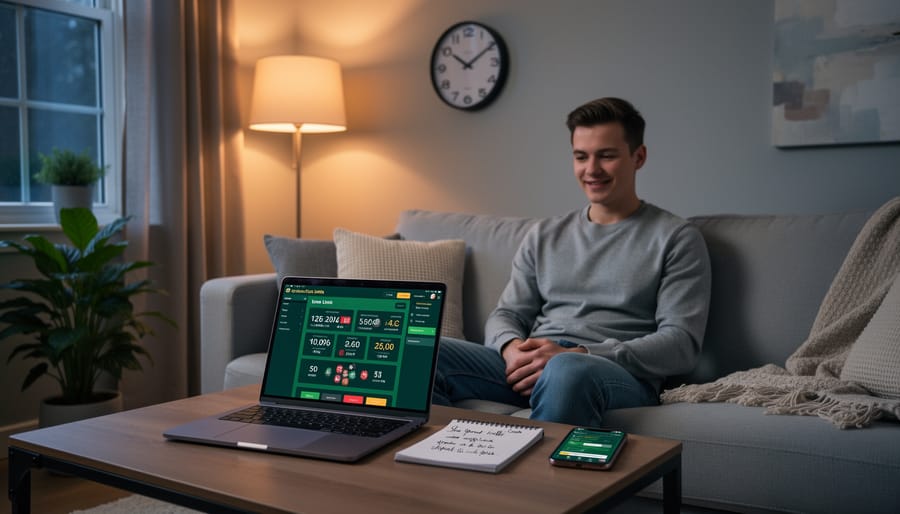
Built-In Limit Tools and Controls
Licensed online casinos across North America offer players several straightforward tools to control their gambling activity. These aren’t optional extras, most jurisdictions require operators to provide them, and they’re designed to help you set boundaries before emotions or momentum take over.
Deposit limits let you cap how much money you can add to your account over a specific period: daily, weekly, or monthly. You choose the amount when you set up your account or adjust it later in your settings. Once you hit that limit, you can’t deposit more until the time period resets. It’s a simple way to ensure you’re gambling only what you can afford to lose.
Loss limits work similarly but focus on net losses rather than deposits. Set a weekly or monthly cap, and the system prevents further play once you’ve lost that amount. This tool is particularly useful if you occasionally win but want to protect yourself from chasing losses during a losing streak.
Session time limits trigger automatic reminders or log you out after a set duration, say, 60 or 90 minutes. They combat the “just one more spin” impulse by forcing a break. Some operators require you to acknowledge how long you’ve been playing; others will simply end your session.
Cooling-off periods temporarily lock your account for 24 hours, a week, or longer. You choose the duration, and during that time you can’t log in, deposit, or wager. It’s useful when you need a reset without committing to full self-exclusion.
Setting these tools takes about two minutes in your account dashboard. Most operators make the controls prominent and easy to adjust, though stricter limits often require a waiting period before they relax, preventing impulsive changes mid-session.
Self-Exclusion Programs
Self-exclusion lets you block yourself from gambling for a set period, often six months, a year, or permanently. Once enrolled, you can’t access your account, withdraw funds early, or create new accounts at participating operators.
Most licensed North American casinos offer operator-level self-exclusion through your account settings. You choose the duration, confirm your decision, and the lock activates immediately. This works well if you play at one or two sites, but it won’t stop you from signing up elsewhere.
For stronger protection, jurisdictional programs cover all licensed operators in a region. In Ontario, the iGaming Ontario self-exclusion registry blocks you across every legal online casino and sportsbook in the province. British Columbia’s program similarly covers all BCLC platforms. U.S. states with legal online gambling, like New Jersey, Pennsylvania, and Michigan, maintain statewide databases that participating operators check against during registration and login.
Some provinces and states share exclusion lists with land-based casinos, creating a more comprehensive barrier. The process typically requires identity verification and takes effect within 24 to 72 hours. Breaking self-exclusion isn’t possible; operators are legally required to refuse service and void any winnings if you attempt to bypass the restriction.
Reality Checks and Activity Statements
Reality checks are timed interruptions that pop up on your screen while you’re playing, showing exactly how long you’ve been logged in and how much you’ve wagered. Most licensed North American operators display these alerts at regular intervals, typically every 30, 60, or 90 minutes, depending on the jurisdiction’s requirements. The pop-up pauses your session until you acknowledge it, giving you a moment to consider whether you want to continue or take a break.
Activity statements work differently. These are detailed records available in your account dashboard that track deposits, withdrawals, bets placed, wins, losses, and net results over specific periods. You can usually view daily, weekly, or monthly summaries, and many sites let you download reports for your own records. Some operators send automated email summaries at set intervals.
Together, these features create transparency. Reality checks interrupt momentum in the moment, while activity statements give you the full picture of your gambling patterns over time. Both help you stay aware of where your money and time actually go, not where you think they go.
Recognizing the Warning Signs
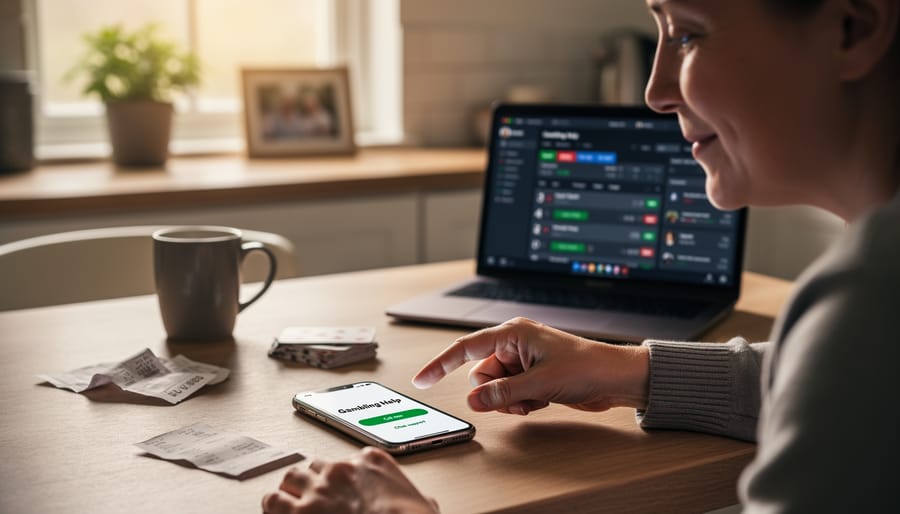
Knowing when online casino play has shifted from entertainment to something more serious can be difficult, especially when you’re in the middle of it. The signs often creep in gradually, which is why it’s worth checking in with yourself regularly.
Start with your emotional state. Do you feel anxious or irritable when you’re not playing? Are you gambling to escape stress, boredom, or sadness rather than for enjoyment? Notice if you’re chasing losses, returning to the casino immediately after a losing session, convinced you can win it back. That cycle of urgency is a red flag.
Financial indicators tend to be more concrete. You might find yourself borrowing money to gamble, using credit cards for deposits when your bank account runs low, or hiding gambling expenses from family. If you’re choosing to gamble instead of paying bills, or if you’ve lied about how much you’re spending, the behavior has crossed a line.
Behavioral changes show up in daily life. You might be neglecting work, hobbies, or relationships to make time for online casino play. Sleep patterns can shift as late-night sessions become routine. Some people notice they’re constantly thinking about gambling, replaying past hands, planning the next session, or calculating hypothetical wins even when they’re supposed to be focused on something else.
In others, watch for secrecy, mood swings tied to wins and losses, or sudden financial strain without a clear explanation. If someone you care about seems distracted, defensive about their gambling, or increasingly isolated, a conversation might be needed.
These signs don’t mean you’re broken. They mean it’s time to pause, reassess, and reach out for support.
Support Resources Across North America
Help is available across North America no matter where you live or play. Every jurisdiction with legal online gambling has established support networks, and many organizations operate continent-wide helplines and resources designed specifically for gambling concerns.
National and Regional Organizations
In the United States, the National Council on Problem Gambling operates a confidential helpline at 1-800-522-4700, available 24/7 in English and Spanish. This number connects callers to local resources and trained counselors who understand gambling-related issues. Many states also maintain their own helplines and treatment referral services through their gaming commissions or public health departments.
Canadian players have access to province-specific support networks. Ontario residents can reach ConnexOntario at 1-866-531-2600 for immediate crisis support and treatment referrals. British Columbia operates the Provincial Problem Gambling Helpline at 1-888-795-6111, while Quebec players can contact Gambling: Help and Referral at 1-800-461-0140. These services connect you with counselors who speak your language and understand the resources available in your area.
| Region | Organization | Helpline | Website |
|---|---|---|---|
| United States | National Council on Problem Gambling | 1-800-522-4700 | |
| Ontario | ConnexOntario | 1-866-531-2600 | |
| British Columbia | BC Problem Gambling Helpline | 1-888-795-6111 | |
| Quebec | Gambling: Help and Referral | 1-800-461-0140 |
Beyond helplines, you’ll find online support through chat services, email counseling, and moderated forums where people share experiences and strategies. Gamblers Anonymous holds meetings in most major cities across both countries, offering peer support in person and online. Treatment options range from outpatient counseling to intensive residential programs, many covered by health insurance or offered on a sliding scale based on income.
Financial counseling services can help if gambling has created debt problems. Organizations like the Financial Counseling Association of America work with people to develop repayment plans and rebuild financial stability. Some problem gambling programs include financial counseling as part of their treatment approach, recognizing that money stress and gambling behavior often feed each other.
All these resources operate confidentially. Reaching out won’t affect your ability to play legally in the future if you choose to return, but it will connect you with people who can help right now.
Practical Steps to Stay in Control
Staying in control starts before you place a bet. Decide how much you can afford to lose, not just what’s in your account, but what won’t affect rent, groceries, or savings, and treat that amount as the cost of entertainment. Once you’ve set a dollar figure, stick to it. If you hit that limit, walk away. No chasing losses, no “just one more hand.” Think of it like buying a concert ticket: once the show’s over, it’s over.
Time matters as much as money. Set a clock or use your phone’s timer before you start playing. Thirty minutes feels different than three hours, and it’s easy to lose track when you’re absorbed in a game. When the alarm goes off, stop, even if you’re winning. Wins can be just as dangerous as losses when they keep you glued to the screen longer than planned.
Balance gambling with other activities you enjoy. If online casino play becomes your default way to unwind, it’s crowding out everything else. Schedule time for hobbies, exercise, friends, or even quiet evenings without screens. A healthy routine keeps gambling in its place: occasional entertainment, not a daily habit.
Create personal rules that fit your life. Maybe you don’t play on weekdays, or you only log in once a month. Some people avoid gambling when they’re stressed, tired, or drinking, because emotions cloud judgment. Others set win limits, if they double their buy-in, they cash out and celebrate the win instead of risking it back.
Check in with yourself regularly. Are you thinking about gambling when you’re not playing? Hiding your activity from family? Borrowing money to play? These are signs you’ve drifted off course. Honest self-assessment isn’t always comfortable, but it’s the best early-warning system you have. If something feels off, it probably is, and that’s when you pause, reassess, and use the tools and support available to you.
Common Questions About Responsible Play
Players often wonder how responsible gaming tools work in practice and what happens once they’re activated. Here are answers to the most common questions about limits, self-exclusion, and account controls across North American online casinos.
Can I reverse a deposit limit once it’s set?
Most jurisdictions require a cooling-off period before you can increase a limit, typically 24 to 72 hours. You can lower a limit immediately, but raising one involves a deliberate delay to prevent impulsive decisions during active play.
What happens if I try to open a new account after self-excluding?
Licensed operators are required to block you from creating additional accounts during your exclusion period. In jurisdictions with centralized databases, like Ontario, your exclusion follows you across all regulated sites, making it impossible to bypass by signing up elsewhere.
Are my responsible gaming limits shared across different casinos?
No, limits you set at one casino don’t automatically apply to others. You’ll need to configure deposit limits, loss caps, and session timers separately at each operator, which is why tracking your activity across multiple sites requires extra attention.
Will setting limits affect my account status or bonuses?
Setting responsible gaming controls won’t change your account standing, restrict your access to promotions, or flag you negatively with the operator. These tools exist to support your choices, not penalize you for using them.
One concern players raise is whether opting into self-exclusion creates a permanent record. Self-exclusion is confidential between you and the operator or regulatory body managing the program. It won’t appear on background checks or credit reports, and when your exclusion period ends, you can choose whether to return or extend it.
If you’re worried about being contacted with marketing during a break, most exclusions automatically stop promotional emails, texts, and offers. You won’t receive bonus notifications or re-engagement campaigns while you’re excluded, giving you genuine distance from the platform without extra effort to unsubscribe.
What to Remember
Responsible gaming isn’t about avoiding online casinos entirely. It’s about maintaining control, recognizing when your habits shift, and using the safeguards that operators and regulators have built into the system. Every licensed site across North America offers limit-setting tools, self-exclusion options, and reality checks designed to keep play within healthy boundaries. These features work, but only if you activate them.
The warning signs we’ve covered, chasing losses, borrowing money to gamble, hiding your activity, matter because they signal when entertainment has crossed into something harmful. If you recognize any of these patterns, you’re not alone. Organizations like the National Council on Problem Gambling, Gamblers Anonymous chapters in every state and province, and dedicated helplines offer free, confidential support without judgment.
Set your limits before you start playing, not after you’ve already lost more than you planned. Check your account statements regularly. Take breaks. And if you or someone you care about needs help, use the resources available today rather than waiting for the situation to worsen. Responsible play means staying ahead of problems, not reacting to them after the fact.